- heritage
- indian-culture
Chand Baori — The Stepwell of Abhaneri
Chand Baori Documentation
Abhaneri, Rajasthan, India
- 0Views
- 0Inquiries
- 0Shortlisted
- 11 Sept 2026Added On
About this Artwork
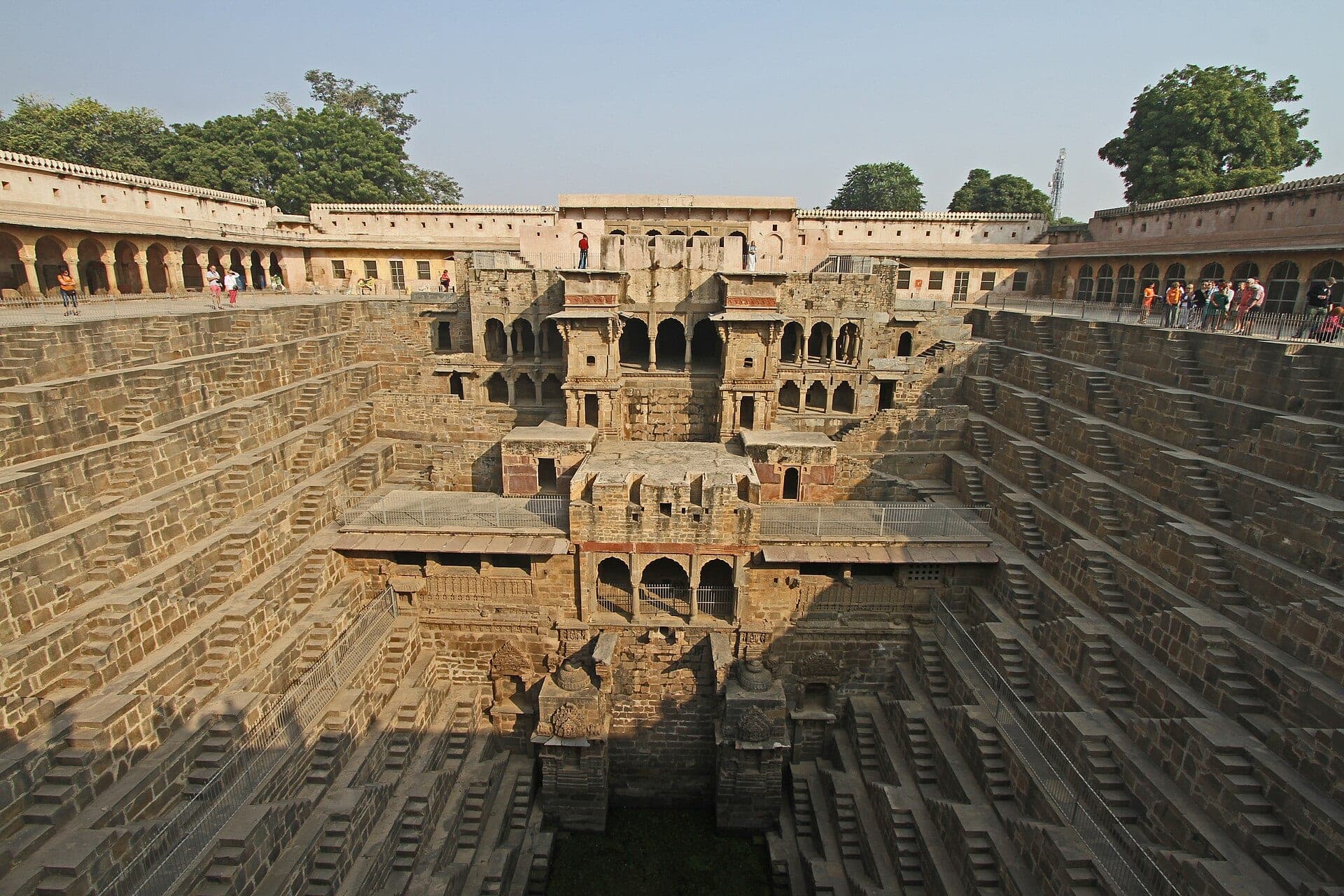
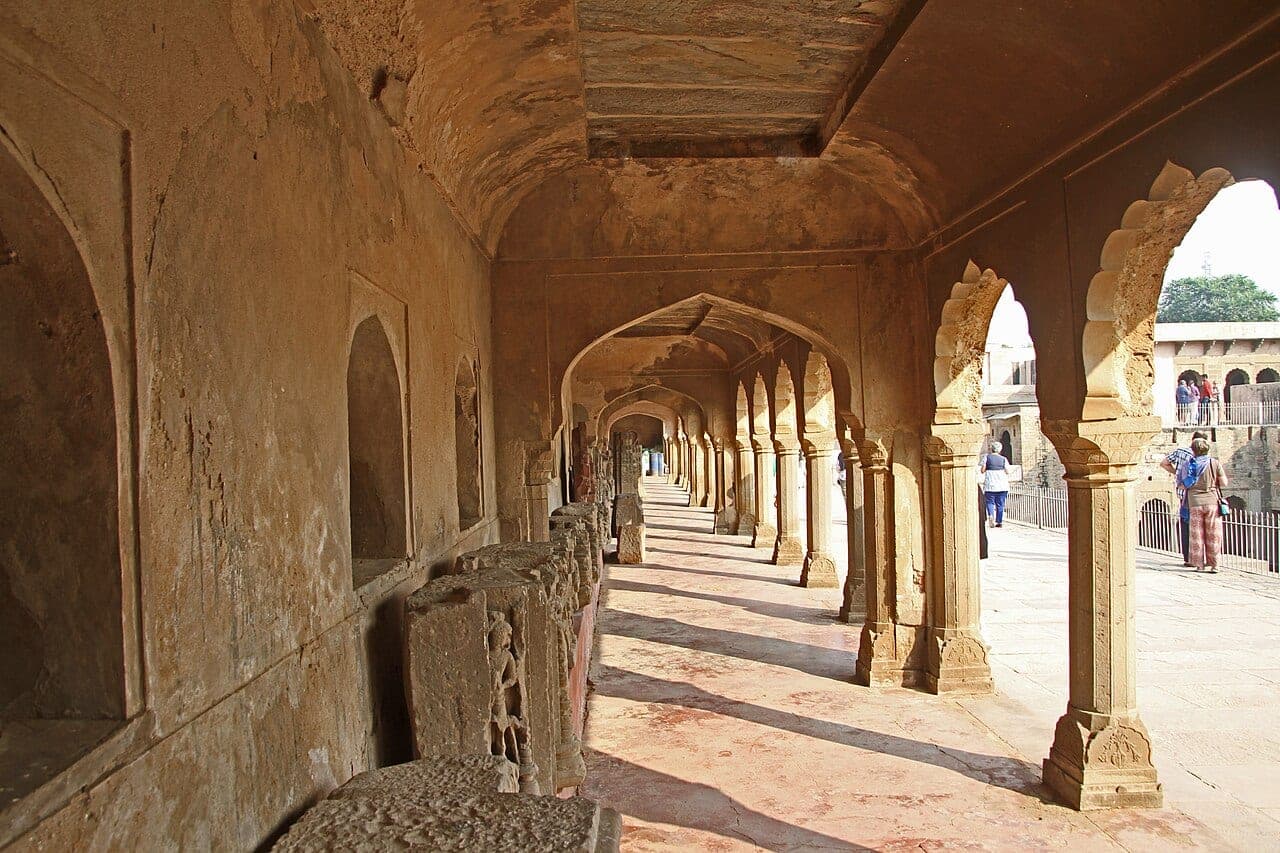
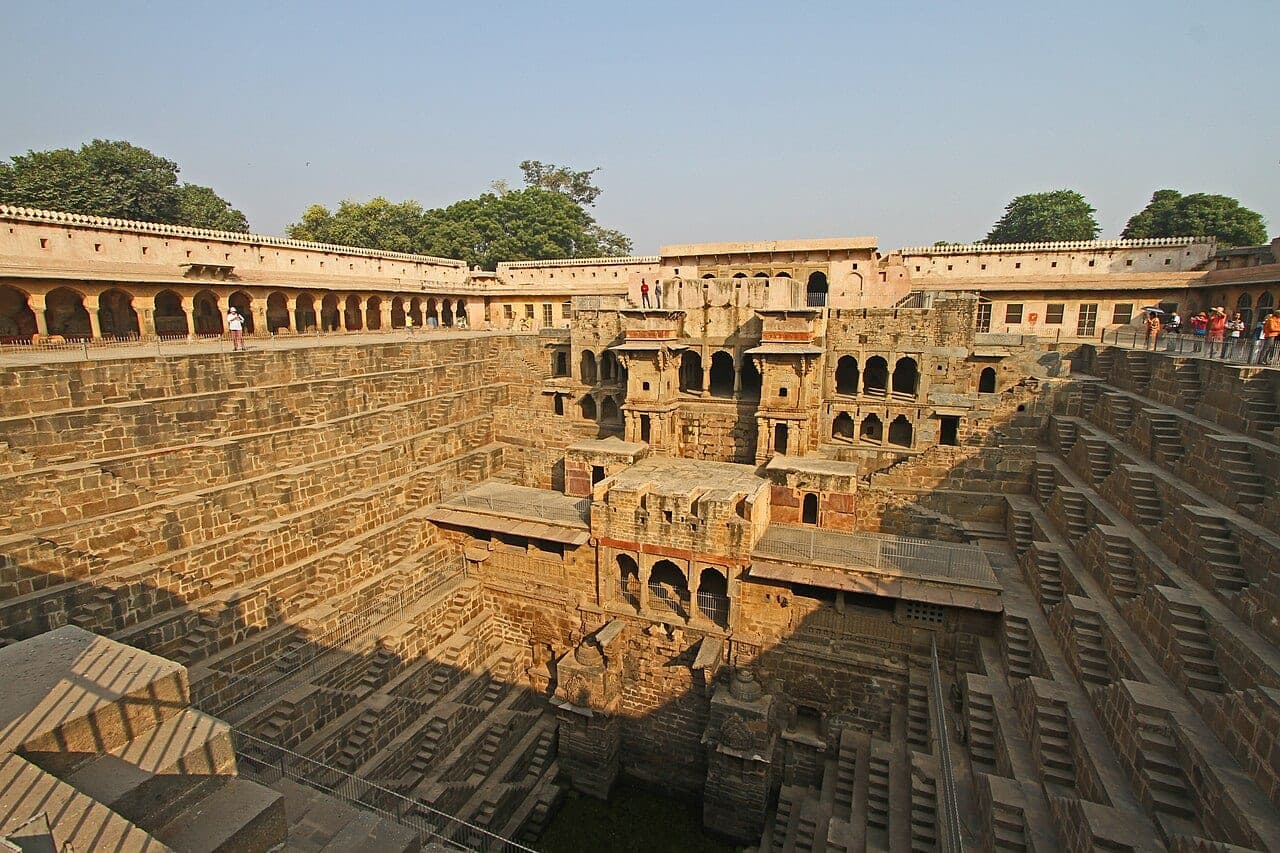
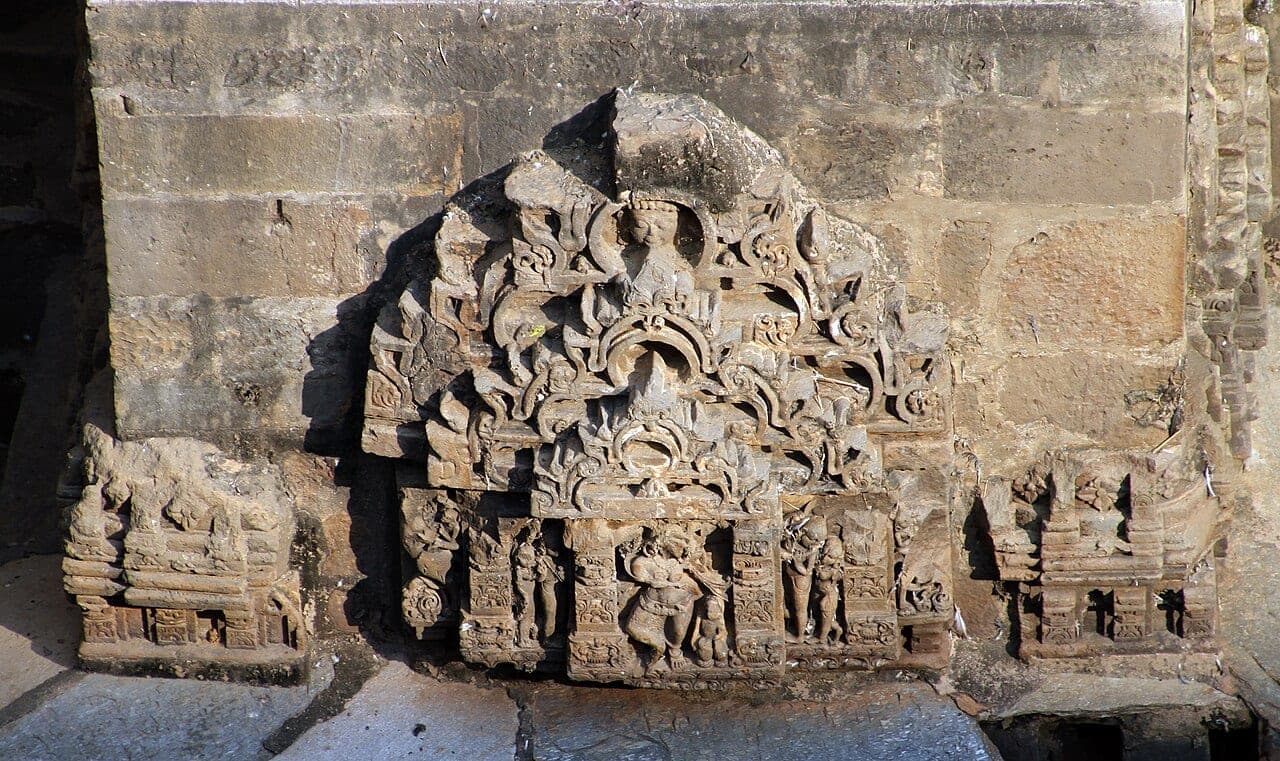
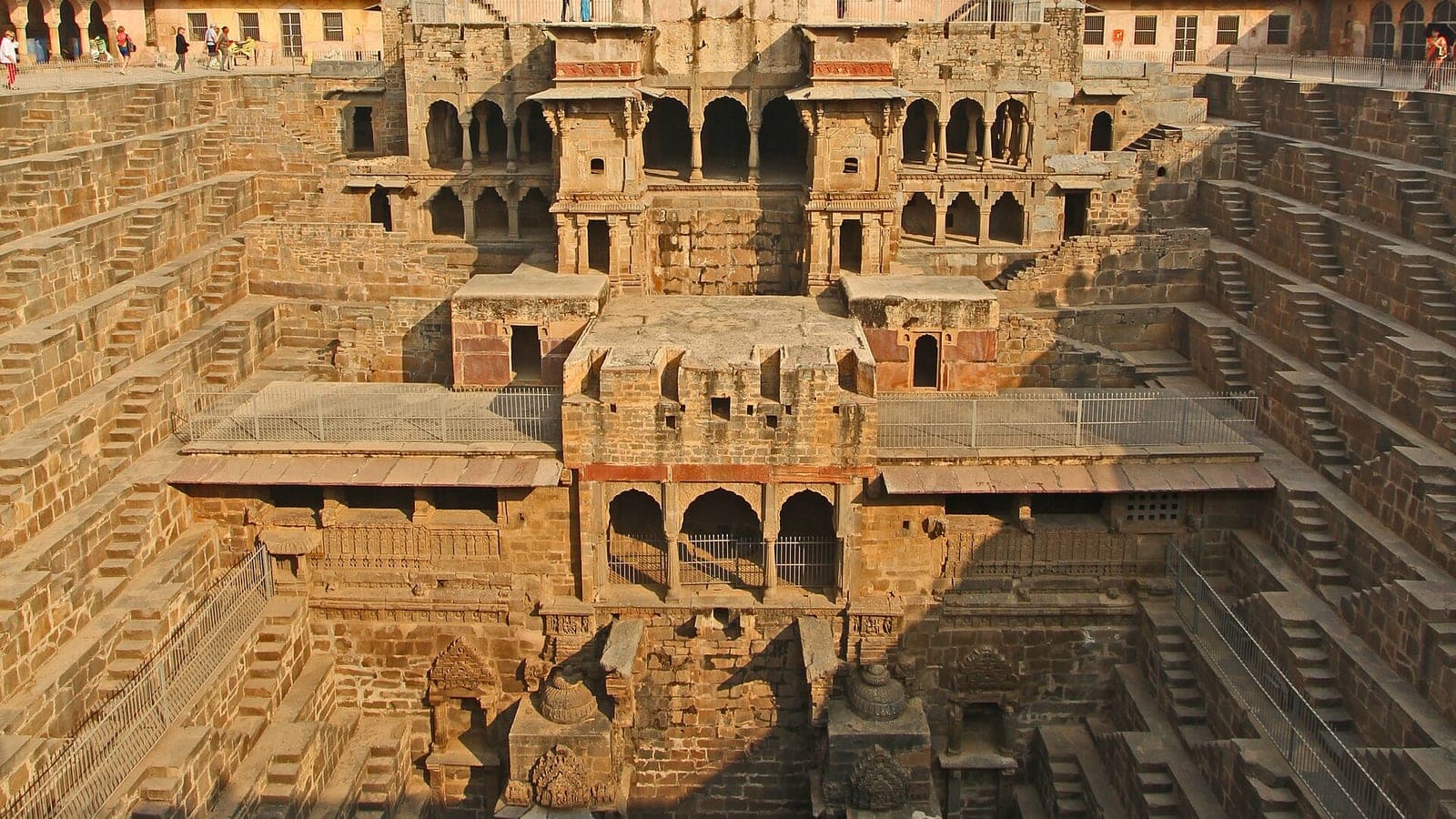
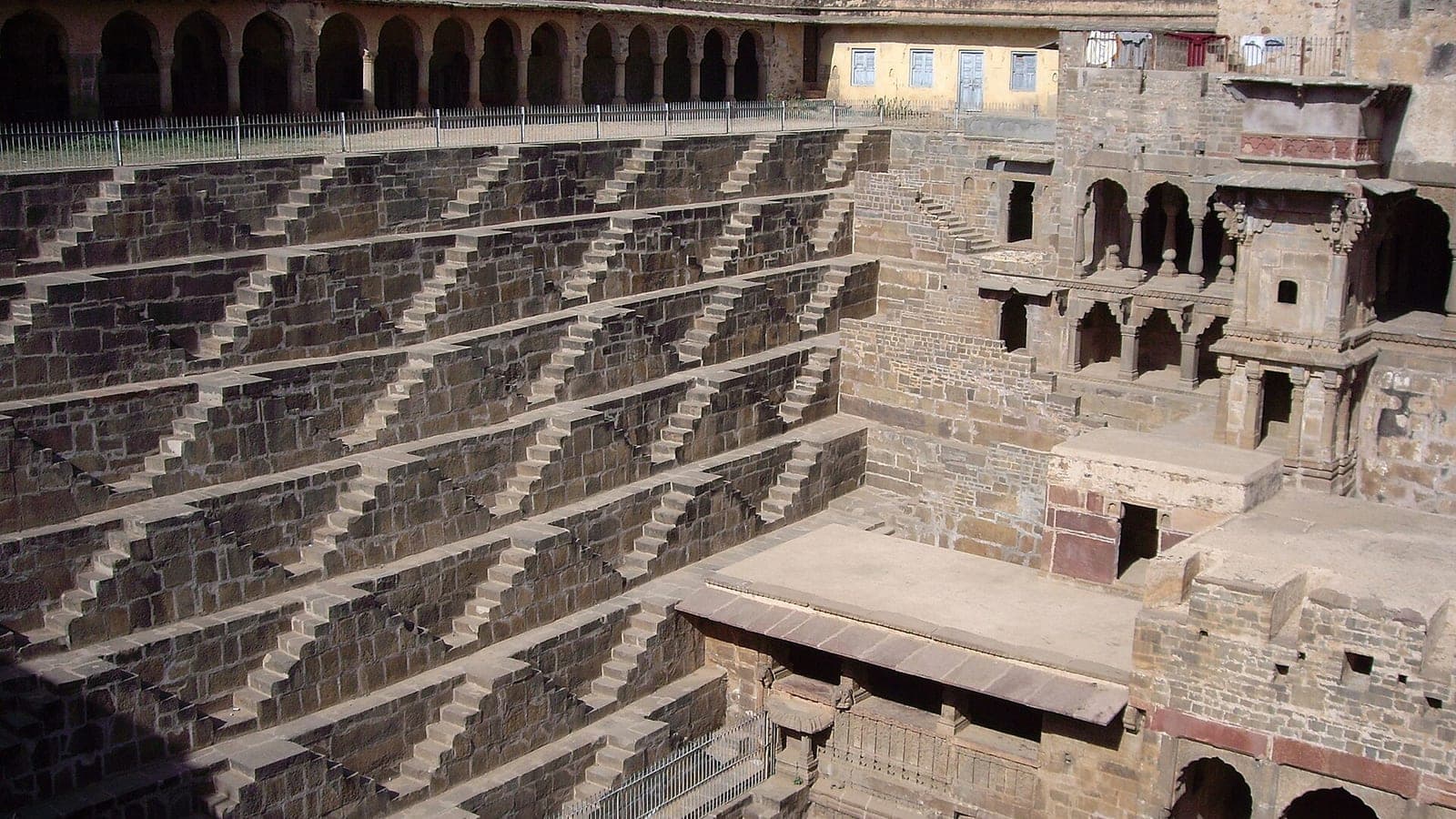
Chand Baori was cut into the ground at Abhaneri in the ninth century, under the Nikumbha dynasty, as a community water source for a village that sees barely 600 mm of rain a year. It is not a well with steps beside it; it is a building turned inside out, thirteen storeys deep, with 3,500 steps arranged in a double-helix pattern down three of its four walls. The geometry is doing thermal work as well as structural work. Air at the base of the well sits five to six degrees cooler than the surface, and the stepped section is what drives that — every tread shades the one below it, and the mass of the sandstone holds the night temperature well into the afternoon. The pavilion on the fourth wall, added later under the Chauhans, faces the steps rather than the water, so the whole structure reads as a room with a floor that keeps going down. What makes it a piece of architecture rather than infrastructure is the discipline of the setting-out. Every step is the same rise and the same going, across thirteen levels and four hundred years of intermittent repair, and the pattern closes perfectly at each landing. That precision is hand-set, on site, in a stone that gives no second chances. The carved panels on the upper galleries — Ganesha and Mahishasuramardini among them — belong to the later Chauhan work, and sit against the plainness of the steps rather than competing with it. The restraint is deliberate: the ornament is where a person stands, and the geometry is where the water is.
- MaterialSandstone
- Dimensions (L × W × H)35 m × 35 m × 30 m deep
- WeightApprox. 20,000 Tons
- Year / Builtc. 800 CE
Project Information
- Construction Period9th Century
- Completion DateMarch 2024
- Project Duration8 Months
- Project StatusDocumented
About the Artist

Architect
Ar. Ritu Sharma has spent twelve years on low-energy buildings across Delhi NCR, from IGBC-rated offices to housing that works without mechanical cooling for most of the year. She writes about what actually changes a building’s energy bill, and what only changes its brochure.
View Artist Profile



Comments (0)
No comments yet — be the first to say something about this work.